
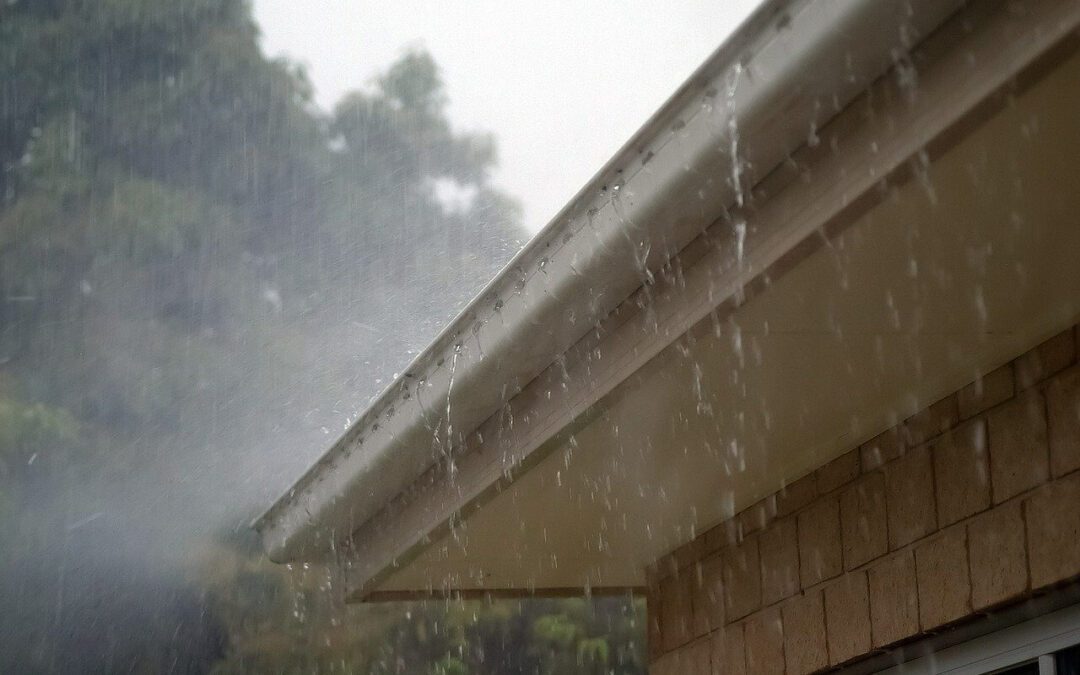
Sacramento’s rainy season usually arrives between November and March, and after months of dry weather, the first heavy storms tend to find every weak spot a home has. Atmospheric rivers can drop a lot of rain in a short time, and a few hours of preparation now can prevent leaks, soggy yards, and fallen branches later. The steps are simple and mostly inexpensive. Here’s how to get your home ready before the first big storm hits.
Start at the Roof and Gutters Before the Rainy Season Arrives
The roof is your first line of defense, so start there. Look from the ground, ideally with binoculars, for missing, cracked, or curling shingles and for tiles that have slipped out of place. Check the flashing around chimneys, vents, and skylights, since these joints are where most leaks begin. Clear leaves and debris from roof valleys, then clean the gutters and downspouts so water has a clear path off the roof. Remove any moss or built-up debris, and check the attic for daylight or damp insulation, which can reveal small leaks long before they show on a ceiling. Make sure downspouts empty at least several feet from the foundation, adding extensions if they spill right next to the house. If you aren’t comfortable on a ladder, hire a roofer or gutter service, and book early because fall schedules fill quickly.
Direct Water Away From the Foundation
Walk the yard before the rainy season starts and look at where water would go. The soil next to the house should slope away from the foundation, and any low spots or settled areas should be filled and regraded. Pull mulch, soil, and plants back from the bottom of the siding and stucco so moisture doesn’t sit against the wall. Clear leaves from yard drains, swales, and the storm drain in front of your house. If you have a sump pump or French drain, test it now by pouring in water, because you don’t want to learn it has failed in the middle of a downpour. Sandbags are useful for low-lying doorways and garages. If you have a crawl space, make sure the vents are clear and that no standing water or soggy insulation is left from last year.
Seal Windows, Doors, and Other Entry Points
Wind-driven rain finds gaps that stay hidden the rest of the year. Check the caulk around window and door frames and replace anything cracked or pulled away, and replace worn weatherstripping and garage door seals. A quick hose test, with a helper inside, can reveal leaks around a suspect window before real rain does. Look at ceilings and the attic for water stains, and circle any you find in pencil so you can tell later whether they’re growing. Once the rainy season starts, check these spots after each storm. Make sure exhaust fan vents and the dryer vent have intact caps that close, since open vents let water and pests inside.
Prepare Trees, Yard, and Supplies for Rainy Season Storms
Saturated soil makes trees more likely to topple, so have a certified arborist remove dead limbs and any branches hanging over the roof. Bring in or tie down patio furniture and other loose items before wind arrives. Know where your main water shutoff and electrical panel are, and keep flashlights, batteries, drinking water, medications, and phone chargers in one easy spot in case of outages or flooding. If a storm is forecast, move vehicles away from low areas and avoid driving through flooded roads. Keep your gas tank at least half full, and your phones and power banks charged ahead of any storm that could cause outages.
Frequently Asked Questions (FAQs)
When should I start preparing for the rainy season?
October through early November is ideal, before the first major storms arrive. Roofers, gutter services, and tree crews fill up quickly once heavy rain is forecast, so scheduling early saves both time and stress.
How often should gutters be cleaned?
At least twice a year, after leaves drop and again before heavy rain. Homes with large overhanging trees may need cleaning more often, and a quick check after any big windstorm is a good habit.
How can I tell if my roof is leaking before it rains?
Look for ceiling stains, damp insulation, daylight in the attic, and loose or missing shingles. A roofer can inspect the flashing and seals before the weather turns, which is much easier than repairing a leak mid-storm.
Are sandbags worth using?
They can help divert water around doors and garages, especially on low-lying lots. Many cities offer free sandbags during storm season, so check with your local public works office.
What should be in a basic storm kit?
Flashlights, extra batteries, bottled water, nonperishable food, medications, a first aid kit, phone chargers, and copies of important documents are a good start.
Cal Home Inspection provides home inspections in Sacramento, CA, and the surrounding areas. Contact us to request our services.