
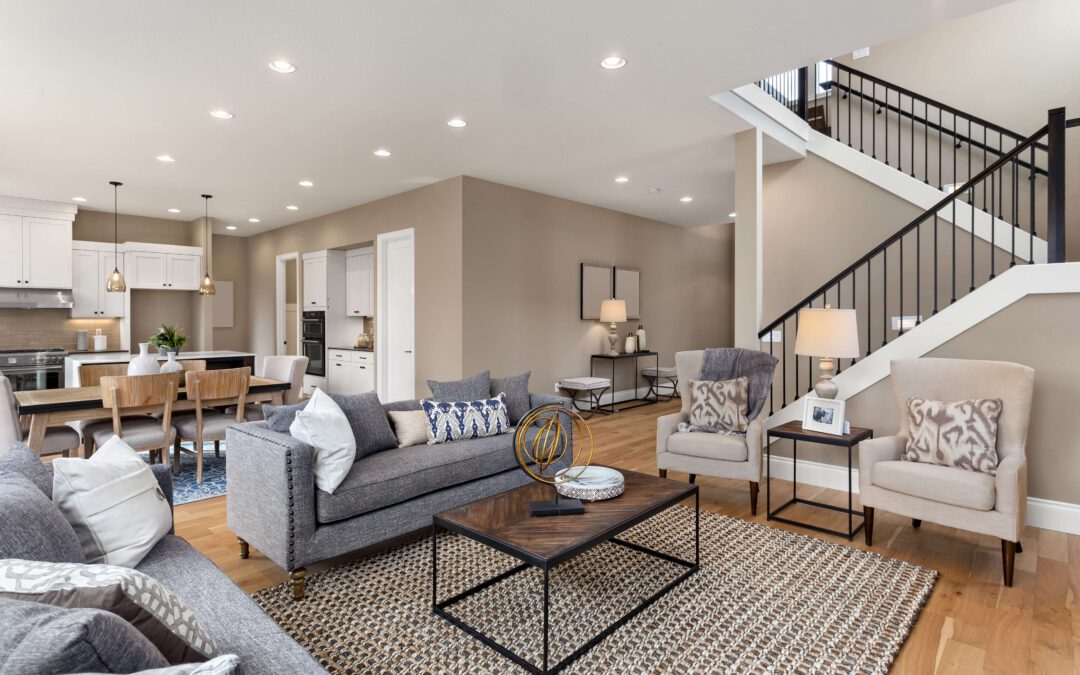
A comfortable living space is one of those goals that most homeowners share and few can fully articulate. It’s not just about furniture or décor; it’s about the combination of physical comfort, visual calm, and functional design that makes a room feel like somewhere a person actually wants to be. The homes that achieve this are the ones where deliberate decisions were made about light, temperature, acoustics, furniture scale, and the relationship between how the space looks and how it’s actually used.
The Elements That Make a Comfortable Living Space Work
Furniture arrangement is the most immediately impactful decision in any living space. The most common mistake is pushing every piece against the walls. Pulling furniture away from the walls and grouping it toward the center, sofas and chairs facing each other rather than facing outward, creates the conversational configuration that makes a comfortable living space. Scale matters as much as arrangement. Furniture too small for a room looks lost and makes the space feel empty regardless of quantity. A sofa that doesn’t reach the rug beneath it, a coffee table too far to be functional, or a light fixture too small for the ceiling height all send subtle signals that something is off. A comfortable living space is one where furniture is proportionate. Texture and layering give physical warmth, the quality that makes a room feel inviting at a sensory level. Layered rugs, throw blankets, cushions in varying sizes, curtains that pool slightly at the floor, and a mix of soft and hard finishes all contribute to the tactile richness that differentiates a room that looks good in photographs from one that actually feels good to sit in.
Lighting’s Role in a Comfortable Living Space
Lighting is the design element that most dramatically affects how a space feels. A room lit only by a single overhead fixture produces flat, shadowless light that reads as functional rather than comfortable. A comfortable living space uses layered lighting, ambient, task, and accent sources, adjustable to match how the room is being used at different times of day. Warm-toned bulbs produce the golden quality most people associate with comfort. Cool white light creates alertness appropriate for a workspace but counterproductive in a room designed for rest. Dimmers on primary fixtures allow a comfortable living space to shift from bright and functional during the day to warm and intimate in the evening.
Temperature, Acoustics, and the Physical Comfort of a Living Space
The elements most often overlooked are the physical ones: temperature, acoustics, and air quality that affect how a person feels at a bodily level rather than a visual one. A room that’s too cold, too noisy, or with stale air makes people want to leave regardless of how well it’s decorated. Adequate insulation and draft sealing around windows and doors maintain a consistent temperature. Area rugs, upholstered furniture, and soft window treatments absorb sound reflections off hard surfaces that make a room feel echoey. Good airflow, from an HVAC system with clean filters, keeps a living space feeling fresh rather than stuffy.
Frequently Asked Questions (FAQs)
What’s the most important element of a comfortable living space?
Furniture arrangement and scale together have the most immediate impact. A well-arranged room with proportionate furniture that pulls people together changes the experience more dramatically than any decorative purchase. After arrangement and scale, lighting is the next highest-leverage element.
How do I make a small room feel comfortable?
Scale down furniture to match the room: a loveseat instead of a full sofa, a round coffee table instead of a rectangular one, and multipurpose pieces that serve two functions. Keeping the palette light and maximizing natural light through sheer window treatments both make a small space feel more open without changing its actual dimensions.
Can I create a comfortable living space without spending a lot of money?
Yes, the highest-impact changes are often free or very low cost. Rearranging existing furniture to pull it from walls and create a conversational grouping costs nothing. Replacing bulbs with warm-toned LEDs. Adding a throw and cushions from a discount retailer changes the tactile quality. Most of the elements that make a room comfortable are achievable without a significant budget.
What colors make the most comfortable living space?
Warm neutrals, such as creamy whites, warm grays, soft taupes, and muted earth tones, consistently produce the calming quality most people prefer. Deeply saturated colors work in small doses but require careful handling as a dominant palette. The most comfortable colors are those that complement the room’s natural light and fixed elements rather than fighting them.
Cal Home Inspection provides home inspections in Sacramento, CA, and the surrounding areas. Contact us to request our services.