
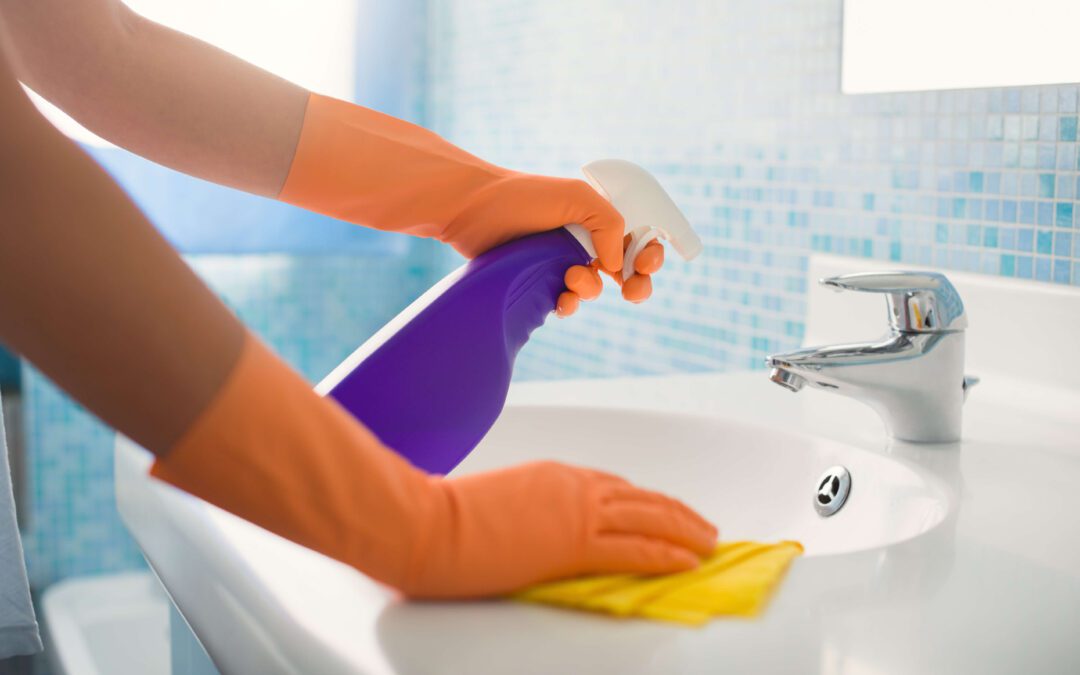
Walk through your home and count the products that contain potentially hazardous chemicals under the kitchen sink, in the garage, in the laundry room, and in the bathroom cabinet. Most homeowners are surprised to realize just how many chemicals in their home are part of daily life, and even more surprised to learn how little thought typically goes into how those products are stored, used, and eventually disposed of. The good news is that awareness is the starting point, and the steps to make your home safer with respect to household chemicals are well within reach for any homeowner willing to pay attention.
Understanding the Chemicals in Your Home and Their Risks
Household chemicals span a wide range of hazard levels. Some, like bleach, drain openers, and oven cleaners, are immediately corrosive. Others release volatile organic compounds (VOCs) as fumes during use or storage, affecting indoor air quality without any dramatic visible warning. Still others become hazardous only in combination with other products, a danger that often catches homeowners off guard. Read the labels on products in every room; the signal words “Danger,” “Warning,” and “Caution” indicate increasing hazard levels, with “Danger” representing the most serious risk. A Safety Data Sheet (SDS) for any product is available from the manufacturer and provides detailed information about hazards, safe handling, first aid, and disposal.
Indoor Air Quality Impacts
One of the biggest risks from household chemicals is their impact on indoor air quality. Many common products release VOCs that accumulate in enclosed spaces at concentrations significantly higher than outdoors, particularly in tightly sealed, energy-efficient homes. Ventilation is your most practical tool. When using any spray cleaner, paint, or solvent indoors, open windows and doors before and during use. Run exhaust fans in kitchens and bathrooms. For heavy-duty projects involving stripping agents or solvents, consider working outdoors entirely. Choosing low-VOC or zero-VOC versions of paints and finishes when available reduces the chemical load released into your living environment. These products have improved significantly in quality and are widely available at most home improvement retailers.
Safe Storage Practices for Household Chemicals
Improper storage is one of the most common household chemical hazards. Products transferred into unlabeled containers lose their critical safety information. Products stored near heat sources degrade and may become more hazardous. Products accessible to children or pets are an ongoing accident risk regardless of adult care during use. Keep all chemicals in their original containers with labels intact. Store in cool, dry, locked or child-resistant cabinets, away from food, pet supplies, and medications. Flammable products like paint thinner and aerosol sprays should be stored well away from furnaces, water heaters, or anything that generates heat or sparks. Be mindful of incompatible products stored near each other. Bleach and ammonia-containing products should never share a cabinet; combined fumes in an enclosed storage area can create hazardous conditions even without deliberate mixing.
Responsible Disposal of Chemicals in Your Home
Pouring household chemicals down the drain or placing them in regular trash is both environmentally damaging and, for many products, illegal. Pesticides, paint, motor oil, pool chemicals, and many cleaning products are classified as household hazardous waste requiring special disposal. Most communities offer hazardous waste collection events or permanent drop-off facilities at no cost to homeowners. A quick search for your local program takes minutes and is the responsible path for end-of-life products. Usable products in good condition, leftover paint most commonly, can often be donated to community organizations or Habitat for Humanity ReStores, eliminating the disposal challenge.
Frequently Asked Questions (FAQs)
How do I know which household chemicals are the most dangerous?
Look for signal words on product labels. “Danger” indicates the highest risk, followed by “Warning” and “Caution.” Products labeled “Danger” typically contain highly corrosive, toxic, or flammable substances requiring the most careful handling and ventilation. Hazard symbols for flammability, corrosion, and toxicity provide quick visual identification. For detailed information, the product’s Safety Data Sheet is available from the manufacturer and covers hazards, handling, and disposal comprehensively.
What household chemicals should never be mixed?
The most dangerous combinations include bleach with ammonia, which produces toxic chloramine gas; bleach with vinegar or other acids, which releases chlorine gas; hydrogen peroxide with vinegar, which forms corrosive peracetic acid; and rubbing alcohol with bleach, which creates chloroform. These reactions can occur on surfaces as well as in containers. Using one product at a time and rinsing surfaces thoroughly between applications is the safest approach.
Are “natural” or “green” cleaning products actually safer?
Many are, but not automatically. Products marketed as natural often contain fewer synthetic chemicals and lower VOC levels, which is genuinely beneficial. However, natural doesn’t mean non-toxic. Reading labels on natural products with the same attention you’d give conventional ones is the right approach regardless of marketing claims.
What should I do if someone is accidentally exposed to a household chemical?
Call Poison Control immediately at 1-800-222-1222 and have the product container on hand. For skin or eye exposure, flush with running water for at least 15 to 20 minutes. For inhalation, move the person to fresh air immediately. For loss of consciousness, difficulty breathing, or severe burns, call 911.
How should I store chemicals in a home with young children or pets?
All household chemicals should be in locked or child-resistant cabinets that children and pets cannot physically access. Never transfer chemicals into food or beverage containers. Be particularly vigilant about products left out during use. Consider cabinet locks on all lower storage areas in kitchens, bathrooms, laundry rooms, and garages as a baseline safety measure.
Cal Home Inspection provides home inspections in Sacramento, CA, and the surrounding areas. Contact us to schedule an appointment.