
Owning a home is a journey filled with pride, but it also comes with the sudden responsibility of managing unexpected emergencies. While some maintenance tasks can wait for a rainy afternoon, certain emergency home repairs demand your immediate attention to prevent a small inconvenience from spiraling into a financial catastrophe. Ignoring a rattling pipe or a flickering light might seem like a way to save time in the short term, but these red flags often signal deep-seated issues that threaten the structural integrity and safety of your residence. Identifying which situations qualify as true emergencies is the first step toward becoming a resilient homeowner.
Addressing Plumbing Failures and Emergency Home Repairs
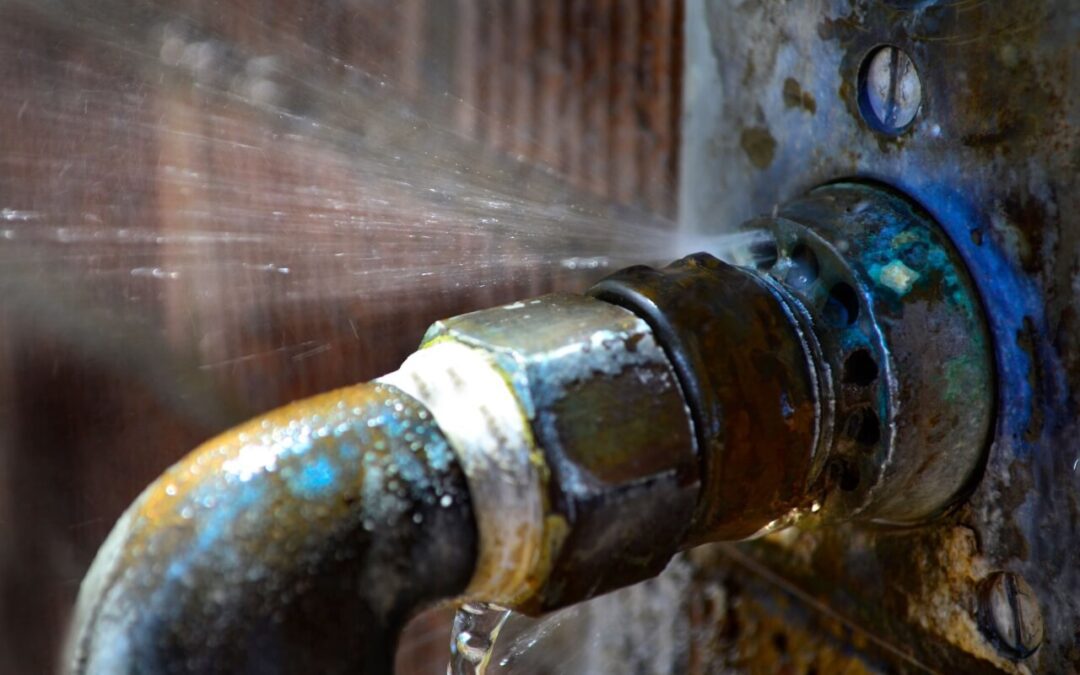
Water is perhaps the most destructive force a homeowner faces, and plumbing issues often top the list of urgent concerns. A burst pipe or a failing water heater isn’t just a mess; it is a structural threat that could compromise flooring, drywall, and electrical systems within minutes. When you encounter a major leak, the first rule is to locate and close the main water shut-off valve immediately. Beyond the obvious gush of water, you should also be vigilant about the sudden smell of sewage or a basement floor drain that is backing up. These symptoms often point to a main sewer line blockage, which may lead to hazardous waste entering your living space. Addressing these plumbing emergencies right away ensures that you don’t end up dealing with long-term rot or foundation shifts caused by excessive moisture.
Electrical Red Flags and Safety-First Emergency Home Repairs
While a leaky pipe is a localized problem, electrical issues carry the terrifying potential to affect the entire structure in an instant. Certain electrical anomalies should always be treated as emergency home repairs because they are often the precursors to house fires. If you notice a persistent burning smell near an outlet, hear a buzzing sound coming from your breaker panel, or see sparks when plugging in an appliance, you must take action. Another serious sign is a circuit breaker that trips repeatedly even after you have reduced the load; this suggests a dangerous short circuit or outdated wiring that cannot handle your home’s power needs. In these cases, it is best to cut the power to the affected area and call a licensed professional. Taking chances with electricity is never worth the risk.
High-Priority Emergency Home Repairs
There is no situation more urgent than the suspected presence of natural gas. Most utility companies add a distinct sulfur or “rotten egg” smell to gas so that leaks can be detected by scent. If you smell this in your home, it is not a time for DIY investigation or minor fixes; it is a time for immediate evacuation. This type of crisis falls into the most serious category of emergency home repairs because of the risk of explosion or carbon monoxide poisoning. You should leave the doors open as you exit, avoid using any light switches or cell phones inside the house, and call your gas provider from a safe distance. Having your gas-burning appliances, such as the furnace and stove, regularly inspected will help prevent these terrifying scenarios, but knowing how to react when a leak occurs is the most important tool in your safety arsenal.
Structural Integrity and Roofing Emergencies
Your roof is the primary shield protecting your interior from the elements, and any breach in that shield is a major concern. If a storm causes a tree limb to fall on your roof or rips away a significant section of shingles, you are looking at a critical window for emergency home repairs. Even a small hole could allow gallons of rainwater to saturate your attic insulation and ceiling joists, leading to a collapse if left unaddressed. Similarly, if you notice a sudden, large crack in your foundation or a basement wall that appears to be bowing inward, you must seek an expert opinion immediately. These structural failures do not stabilize on their own. Promptly addressing these areas prevents irreversible damage to the core of your home.
Frequently Asked Questions (FAQs)
How do I know if a repair is a true emergency or can wait until Monday?
A repair is generally considered an emergency if it poses an immediate threat to your safety, has the potential to cause rapid and extensive property damage, or deprives you of essential services like heat in the winter or running water.
What should I have in an emergency home repair kit?
Every homeowner should keep a basic kit that includes a high-powered flashlight, a versatile multi-tool, heavy-duty duct tape, and a set of pipe wrenches. It is also helpful to have “plumber’s putty” and a few rolls of leak-sealing tape for temporary plumbing fixes.
Can I perform emergency electrical repairs myself?
Unless you are a trained and licensed electrician, it is highly discouraged to perform your own electrical repairs during an emergency.
Will my homeowners’ insurance cover the cost of emergency repairs?
In many cases, insurance will cover repairs for damage caused by sudden and accidental events, such as a burst pipe or a fallen tree. However, they typically do not cover repairs resulting from long-term neglect or lack of maintenance.
Cal Home Inspection provides home inspections in Sacramento, CA, and the surrounding areas. Contact us to schedule an appointment.